Large hippocampus detected in Long COVID and ME/CFS patients

This study compared alterations in hippocampal subfields of 17 long COVID, 29 ME/CFS patients, and 15 healthy controls (HC), identifying significantly larger volumes in the left hippocampal subfields of both long COVID and ME/CFS patients compared to Healthy Controls.

Abstract

Long COVID and Myalgic Encephalomyelitis/Chronic Fatigue Syndrome (ME/CFS) patients share similar symptoms including post-exertional malaise, neurocognitive impairment, and memory loss. The neurocognitive impairment in both conditions might be linked to alterations in the hippocampal subfields. Therefore, this study compared alterations in hippocampal subfields of 17 long COVID, 29 ME/CFS patients, and 15 healthy controls (HC).

Structural MRI data was acquired with sub-millimeter isotropic resolution on a 7 Telsa MRI scanner and hippocampal subfield volumes were then estimated for each participant using FreeSurfer software. Our study found significantly larger volumes in the left hippocampal subfields of both long COVID and ME/CFS patients compared to HC. These included the left subiculum head (long COVID; p = 0.01, ME/CFS; p = 0.002,), presubiculum head (long COVID; p = 0.004, ME/CFS; p = 0.005), molecular layer hippocampus head (long COVID; p = 0.014, ME/CFS; p = 0.011), and whole hippocampal head (long COVID; p = 0.01, ME/CFS; p = 0.01). Notably, hippocampal subfield volumes were similar between long COVID and ME/CFS patients. Additionally, we found significant associations between hippocampal subfield volumes and severity measures of ‘Pain’, ‘Duration of illness’, ‘Severity of fatigue’, ‘Impaired concentration’, ‘Unrefreshing sleep’, and ‘Physical function’ in both conditions. These findings suggest that hippocampal alterations may contribute to the neurocognitive impairment experienced by long COVID and ME/CFS patients. Furthermore, our study highlights similarities between these two conditions.

Full text available here: Hippocampal Subfield Volume Alterations and Associations with Severity Measures in Long COVID and ME/CFS: A 7T MRI Study

Similar Posts

  • |

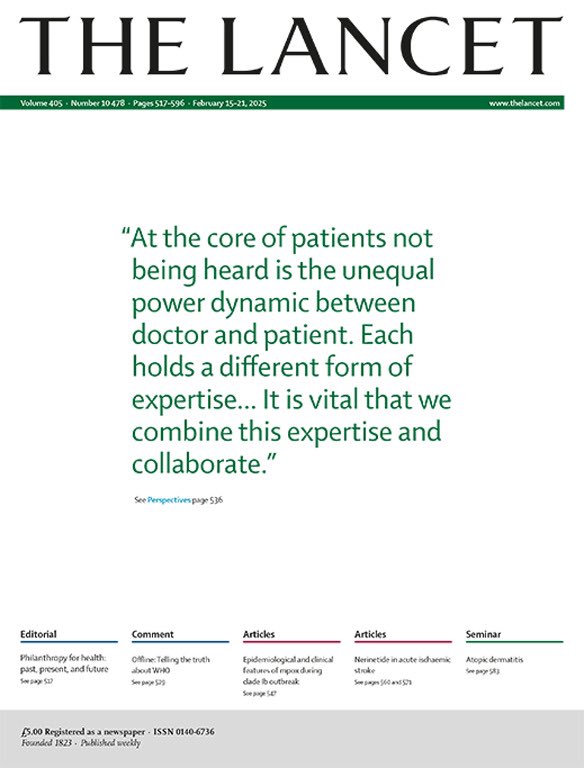
    Why Doctors don’t Reflect, collaborate, and listen

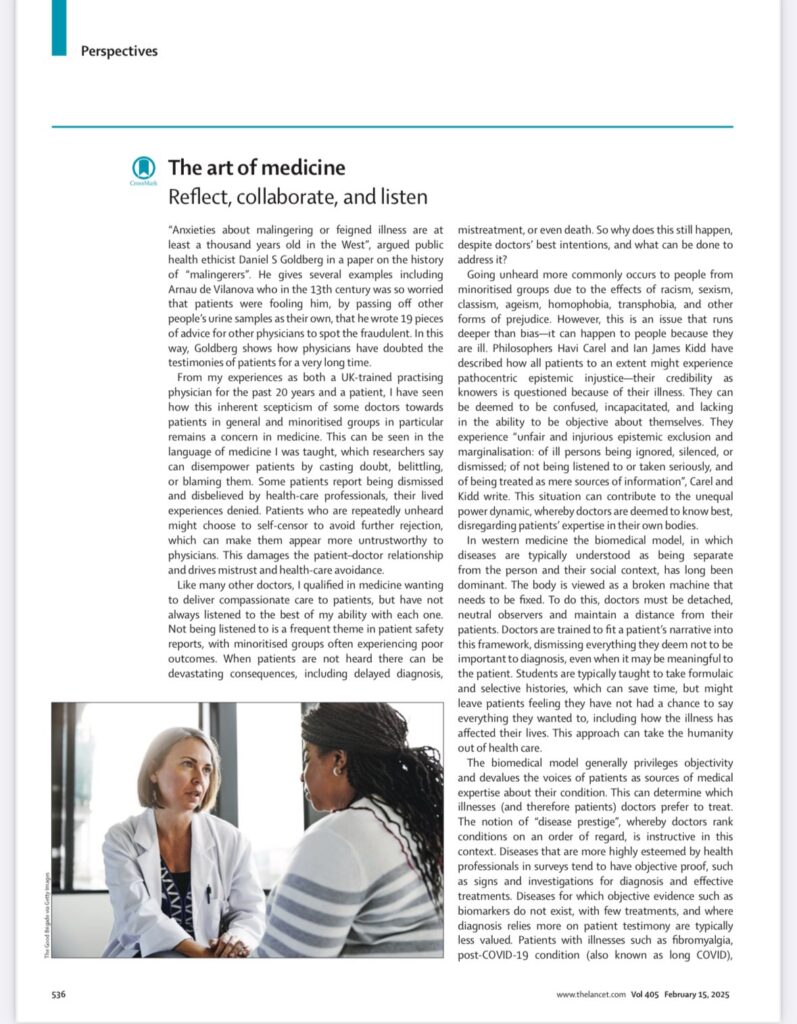
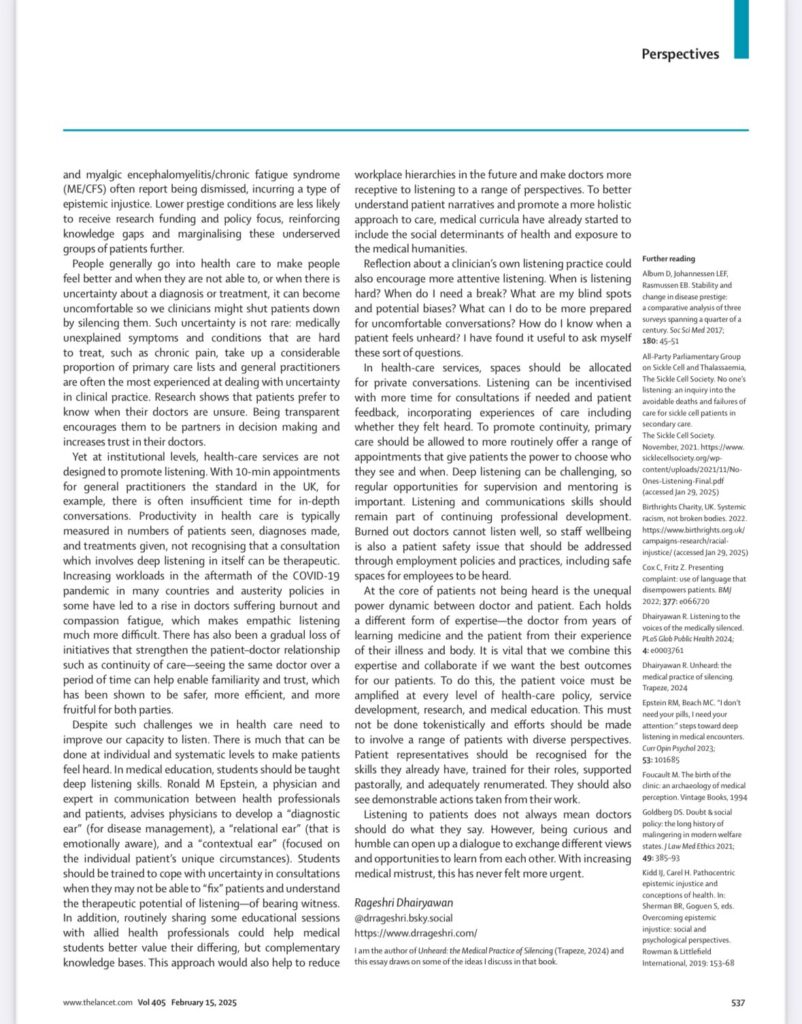
    Dr Rageshri Dhairyawan writes “Reflect, Collaborate and Listen” which examines why doctors don’t listen, and the urgent need to rebalance the power dynamic in the patient – doctor relationship.”

    See the full article here in the Lancet – It is free to download (after registration, which is quite easy).

    The abstract continues: “Anxieties about malingering or feigned illness are at least a thousand years old in the West”, argued public health ethicist Daniel S Goldberg in a paper on the history of “malingerers”. He gives several examples including Arnau de Vilanova who in the 13th century was so worried that patients were fooling him, by passing off other people’s urine samples as their own, that he wrote 19 pieces of advice for other physicians to spot the fraudulent. In this way, Goldberg shows how physicians have doubted the testimonies of patients for a very long time.

  • Health-related quality of life in Myalgic Encephalomyelitis/Chronic Fatigue Syndrome and Post COVID-19 Condition: a systematic review

    A Meta Study, Comparing ME/CFS and Long Covid symptoms and quality of life. From the conclusions section:

     Shared impact patterns were observed between the two illness cohorts. Profound impairments were consistently observed in self-perceptions of overall health status, physical health domains and ability to perform daily activities. Although only provided in one study, there were no significant differences in direct comparisons of HRQoL outcomes between pwME/CFS and pwPCC.

    Read More “Health-related quality of life in Myalgic Encephalomyelitis/Chronic Fatigue Syndrome and Post COVID-19 Condition: a systematic review”
  • | |

    Preprint – Smartphone-based monitoring of heart rate variability and resting heart rate predicts variability in symptom exacerbations in people with complex chronic illness

    Annie Aitken1; Abbey Sawyer; Akiko Iwasaki; Harlan M. Krumholz; Rory Preston; Harry Leeming; Jenna Tosto-Mancuso; Amy Proal; Michael A. Osborne; David Putrino

    Version 1 posted 29 Nov, 2024

    Abstract

    Background: Complex chronic conditions like Long COVID and Myalgic Encephalomyelitis/Chronic Fatigue Syndrome involve energy limitations and changes in heart rate variability (HRV) and resting heart rate (HR). Mobile health technologies now offer real-time, valid measurements of HRV and HR, advancing symptom monitoring and management. Using a high-density dataset from an observational longitudinal study, we aimed to describe, quantify, and predict within-person co-variations in daily biometric data and subsequent crash, fatigue, and brain fog symptom occurrences.

    Methods: Leveraging data collected through a mobile health app (n=4,244), we developed predictive models using mixed-effects linear regression and logistic regression to explore how within-person fluctuations in biometrics (HR, HRV, and respiratory rate) predict dynamic change in symptomology (crash, fatigue, and brain fog). Predictive performance was assessed using 5-fold stratified cross-validation and compared to a 20% holdout set to evaluate model generalizability to new observations and individuals.

    Results: Across all symptom domains, within-person changes in HRV and HR consistently emerged as key predictors of symptom change across all models, with higher HR and lower HRV conferring risk for crashes, fatigue, and brain fog. Moreover, 7-day biometric stability (or variable dispersion) was a robust predictor of symptom occurrence and severity. Models trained solely on biometric features achieved moderate predictive performance in the stratified cross-validation set; however, incorporating random effects to capture individual-specific variations and prior-day symptom reports substantially enhanced model accuracy, with AUC values reaching .91.

    Discussion and Conclusion: This study is the first to use data-driven models to predict everyday symptom experiences in individuals with complex chronic illnesses based on biometric fluctuations. Findings demonstrate the potential utility of mobile health tools for real-time monitoring of symptoms and highlight the need for further research to refine these predictive models and integrate them into clinical decision-making processes.

    Read the full preprint article here: https://www.researchsquare.com/article/rs-5423422/v1

  • Hidden Illness, Public Grief, and Research Funding: Why ME/CFS and Other Gradual-Onset Conditions Struggle for Recognition

    Author: Steve Fifield 3rd March 2026

    I wrote a simple draft paper on possible reasons why ME/CFS and similar conditions struggle so much for public recognition and funding.

    Executive Summary

    This briefing paper proposes that illnesses characterised by gradual onset, symptom invisibility, and ambiguous loss—such as Myalgic Encephalomyelitis/Chronic Fatigue Syndrome (ME/CFS)—face structural disadvantages in public recognition and research funding.

    In contrast to diseases associated with sudden, catastrophic diagnoses (e.g., cancer, motor neurone disease, multiple sclerosis), ME/CFS often progresses gradually, without a singular crisis moment that mobilises families, media, and policymakers.

    Drawing on psychological research, communication theory, medical sociology, and health policy analysis, this paper outlines evidence supporting the hypothesis that acute grief catalyses mobilisation, while chronic ambiguity fosters adaptation rather than advocacy.

    1. Proposition Statement

    Public support for disease research funding is strongly influenced by emotional salience, narrative clarity, and visibility.

    • This paper proposes that:
    • Sudden, high-intensity diagnoses generate collective grief and advocacy mobilisation.
    • Gradual, invisible illness trajectories tend to produce adaptation and normalisation rather than public outrage.
    • Conditions lacking clear biomarkers or dramatic ‘trigger events’ may remain socially marginalised and underfunded.

    2. Psychological Evidence: Emotion, Grief, and Giving

    Research in behavioural psychology demonstrates that emotional intensity significantly influences charitable giving and advocacy behaviour.

    • Key evidence includes:
    • The ‘Identifiable Victim Effect’ shows individuals donate more readily when harm is concrete and personal (Small & Loewenstein, 2003).
    • Personal experience with illness strongly predicts sustained advocacy engagement (Bekkers & Wiepking, 2011).
    • Acute grief produces action-oriented coping responses, whereas ambiguous loss can lead to prolonged emotional adjustment rather than mobilisation (Boss, 1999).

    3. Media Visibility and Agenda Setting

    Agenda-setting research demonstrates that media coverage shapes public perceptions of issue importance (McCombs & Shaw, 1972).

    • Relevant dynamics:
    • Diseases with dramatic diagnostic narratives are more likely to receive concentrated media attention.
    • High-visibility campaigns (e.g., viral fundraising movements) significantly increase funding inflows.
    • Invisible or contested illnesses struggle to achieve sustained media framing as urgent biomedical crises.

    4. Medical Sociology: Invisible and Contested Illness

    ME/CFS has historically been classified as a contested or medically unexplained illness.

    • Sociological findings show:
    • Illnesses lacking objective biomarkers often face legitimacy challenges (Barker, 2008).
    • Symptom invisibility contributes to stigma and disbelief (Dickson et al., 2007).
    • Gradual functional decline may be socially normalised within families, reducing collective mobilisation.

    5. Research Funding and Disease Burden

    Multiple analyses indicate that biomedical research funding does not consistently align with disease burden.

    • Findings relevant to ME/CFS:
    • Funding levels for ME/CFS have historically been substantially lower than expected based on disability-adjusted life years (DALYs) (Dimmock et al., 2016).
    • Mortality salience and media visibility correlate more strongly with funding allocation than chronic disability alone.
    • Conditions perceived as life-threatening often secure greater political and philanthropic urgency.

    6. Policy and Strategic Implications

    If this proposition is valid, important implications follow for research institutions, advocacy organisations, and policymakers.

    • Potential strategies:
    • Develop narrative frameworks that communicate cumulative functional loss without sensationalism.
    • Align funding mechanisms more closely with disease burden metrics rather than media salience.
    • Invest in biomarker research to strengthen clinical legitimacy.
    • Promote public education campaigns that clarify the biological basis and severity of ME/CFS.

    Conclusion

    ME/CFS exemplifies how gradual-onset, invisible illnesses may be structurally disadvantaged within public funding ecosystems shaped by emotion, visibility, and narrative shock.

    Addressing this imbalance requires deliberate policy design, improved public communication, and recognition that chronic disability without dramatic rupture can be equally life-altering.

    Selected References

    1. Barker, K. (2008). Electronic support groups, patient-consumers, and medicalization.
    2. Bekkers, R., & Wiepking, P. (2011). A literature review of empirical studies of philanthropy.
    3. Boss, P. (1999). Ambiguous Loss: Learning to Live with Unresolved Grief.
    4. Dickson, A., et al. (2007). Stigma in chronic fatigue syndrome.
    5. Dimmock, M., et al. (2016). Estimating the disease burden of ME/CFS in the United States.
    6. McCombs, M., & Shaw, D. (1972). The agenda-setting function of mass media.
    7. Small, D., & Loewenstein, G. (2003). Helping a victim or helping the victim: Identifiable victim effect.
  • | |

    New Abstract on invasive CPET – Promising outcomes

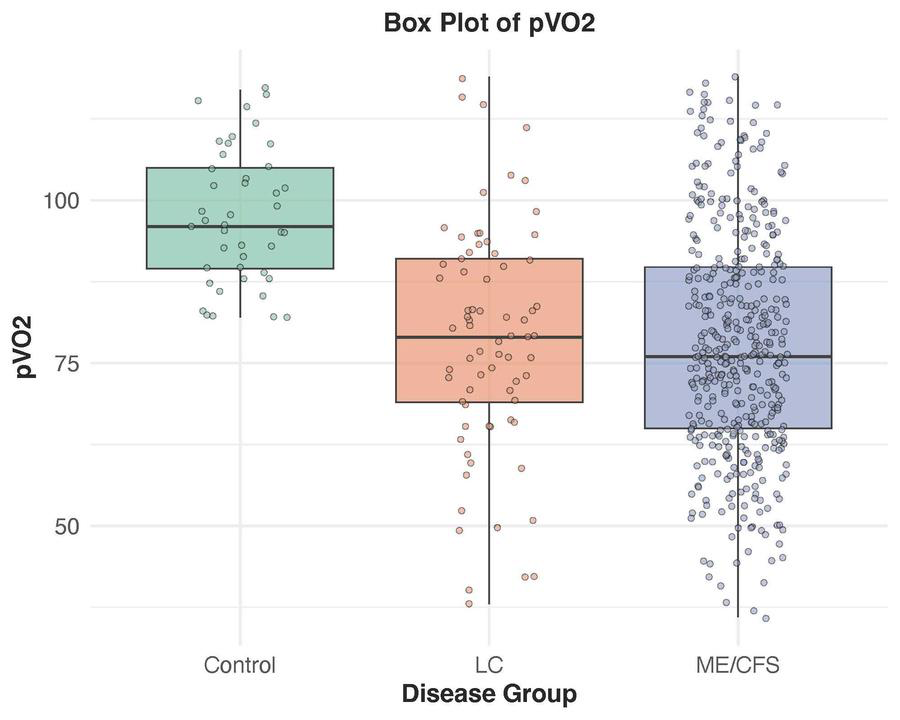
    The American Journal of Respiratory and Critical Care Medicine has posted a new abstract authored by David Systrom et al, which evaluated invasive CPET testing. The test includes iCPET results from 438 ME/CFS patients, 73 Long Covid patients, and 43 symptomatic but otherwise normal controls.

    The measurement method is illustrated here from their previous 2023 report [TBA]

    The full Abstract within the American Journal of Respiratory and Critical Care Medicine can be found here: https://www.atsjournals.org/doi/abs/10.1164/ajrccm.2025.211.Abstracts.A7881

    An image extract from the article is shown below, showing correlation of pVO2 between each cohort and outcomes, and remarkably similar results from ME and Long Covid:

Leave a Reply